Fewer Invasive Plant Species Found in 2026 Statewide Survey of Retail Garden Centers
Volunteers found 39 invasive plant species for sale, down from 49 in 2025, while surveys increased 30%. Retail signage
Press Release Disclaimer: This is a press release distributed through the XPR Media network. It has not been independently verified by our newsroom.
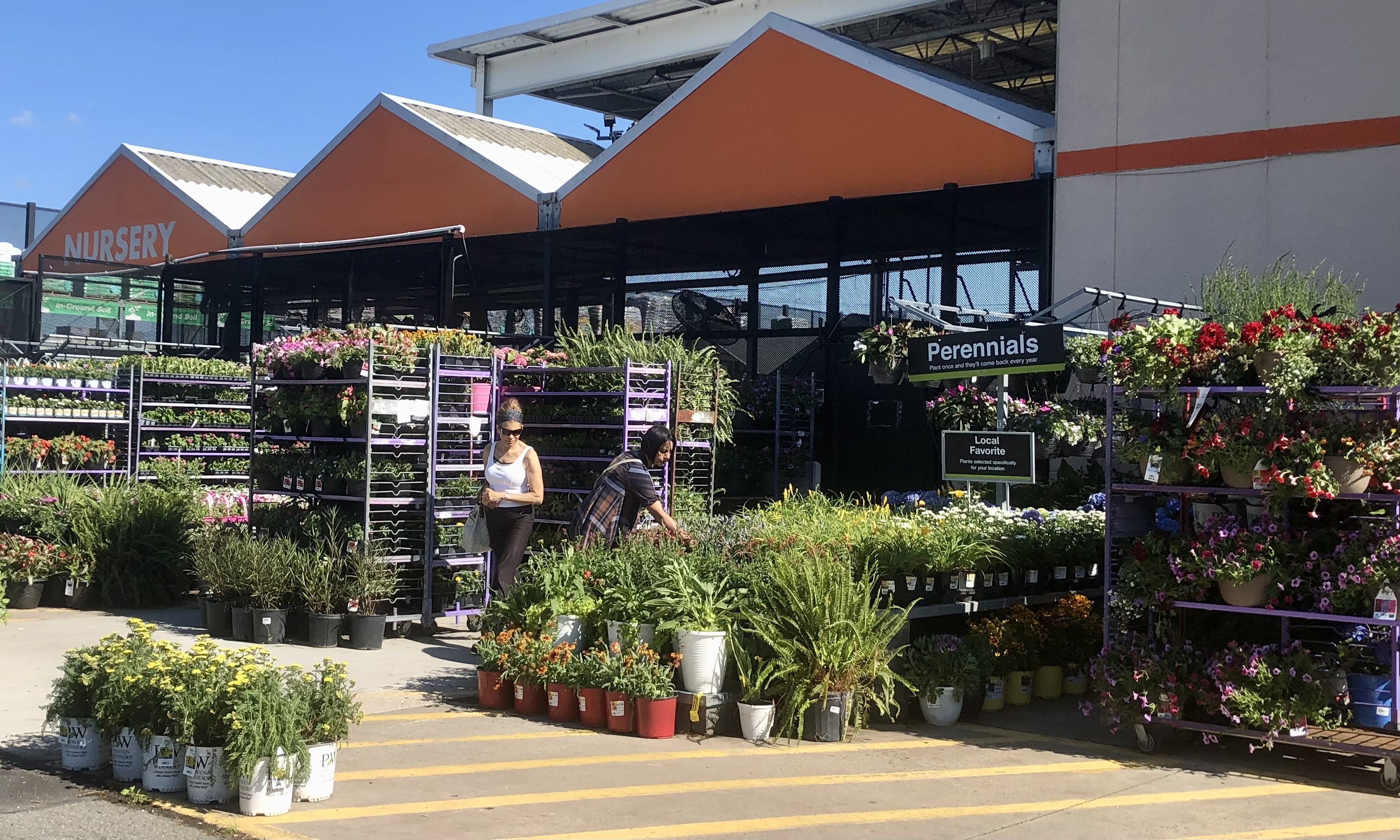

Volunteers found 39 invasive plant species for sale, down from 49 in 2025, while surveys increased 30%. Retail signage requirements take effect January 1, 2027.
CHARLOTTESVILLE, VA, UNITED STATES, November 17, 2026 /EINPresswire.com/ — Volunteers participating in the Virginia Invasive Plant Coalition’s second annual Retail Garden Center Invasive Plant Survey made 166 visits to 122 locations across the Commonwealth, compared with 128 visits to 86 locations in 2025. They searched for 55 species on the Virginia Department of Conservation and Recreation’s Invasive Plant Species List.
The citizen scientists documented 39 invasive plant species offered for sale in 2026 at stores they visited, compared with 49 in 2025. The average number of invasive species observed per retail location also declined, from 6 to 4.6.
“Consumers often assume that if a plant is available at a garden center, it’s a good choice for their landscape,” said Rowena Zimmerman, director of VIPC. “But some of these plants can spread beyond our gardens and harm native ecosystems. We want shoppers to recognize invasive plants and consider alternatives that support healthy landscapes.”
Volunteers chose which garden centers to visit and when, from April 1–September 30. Because inventories change throughout the season, VIPC encourages more than one visit to the same garden center. The nonrandom sample provides a snapshot of invasive plants consumers might find for sale at garden centers across Virginia.
Virginia regulations don’t prevent sales of invasive plants
During the 2026 Garden Center Survey, volunteers continued to find retailers selling landscaping plants on the DCR list , including butterfly bush, nandina, English ivy, periwinkle, moneywort and Japanese barberry. Inclusion on the list does not prohibit their sale.
The state maintains a separate Noxious Weeds List that regulates plants considered harmful to agriculture, natural resources, the environment or the economy and prohibits their sale. Until this year, Virginia law prevented the state from designating plants as noxious weeds if they were commercially viable or propagated in Virginia. HB 109, passed in April 2026, removed that restriction, opening the door for additional invasive plants to receive noxious weed designations.
That change does not automatically add plants to the Noxious Weeds List — proposed additions must undergo scientific review and a regulatory process. The law also provides phase-out periods for commercially propagated plants that are added to this list, ranging from two to seven years depending on the type of plant.
New retail signage requirements begin in January
Beginning January 1, 2027, consumers will get additional information about the environmental impacts of invasive plants for sale and alternatives they can choose. A law enacted in 2025 will require retailers selling any of 39 plant species for outdoor use to display educational signage identifying them as invasive and encouraging shoppers to ask about alternatives. The Virginia Department of Agriculture and Consumer Services has published signage guidance and templates to help retailers comply.
The Virginia Invasive Plant Coalition encourages consumers to learn which plants are invasive before purchasing them and to ask garden center staff about noninvasive alternatives, including native plants that support wildlife and healthy ecosystems.
View the complete 2026 survey results at virginiainvasives.org.
About Blue Ridge PRISM
Blue Ridge Partnership for Regional Invasive Species Management (PRISM) is a nonprofit environmental organization committed to improving the health of our natural world for future generations. Founded in 2014 as Virginia’s first Cooperative Weed Management Area, PRISM is a statewide leader in education and training on invasive plants. Its programs help restore forests and watersheds, protect native wildlife and habitat, steward healthy landscapes, and sustain the work through coalition building and effective policy. Learn more at blueridgeprism.org.
VIPC is a program of PRISM founded in December 2023. The coalition has grown to more than 100 partner and member organizations representing public agencies, private landowners, nonprofits, and service providers. Learn more at virginiainvasives.org.
Lauren Taylor
Blue Ridge PRISM
+1 540-556-1400
Visit us on social media:
LinkedIn
Instagram
Facebook
YouTube
Legal Disclaimer:
EIN Presswire provides this news content “as is” without warranty of any kind. We do not accept any responsibility or liability
for the accuracy, content, images, videos, licenses, completeness, legality, or reliability of the information contained in this
article. If you have any complaints or copyright issues related to this article, kindly contact the author above.

Media gallery