Charleston Chefs Cultivate In-House Ingredients, Deepening Farm-to-Table Commitment
In Charleston, SC, food and beverage professionals are increasingly producing their own ingredients, taking the farm-to-table concept in-house. This trend features chefs like Jason Stanhope at Sullivan's Fish Camp utilizing herbs grown in on-site raised beds for his dishes, and…

 Charleston, SC, November 20, 2026 —
Charleston, SC – The celebrated farm-to-table ethos is evolving in Charleston’s vibrant food and beverage scene, with professionals increasingly opting to cultivate their own ingredients directly on-site. This shift represents a deeper commitment to freshness, locality, and culinary control, moving beyond sourcing from external farms to establishing in-house growing operations.
Chefs and culinary experts are dedicating space and resources to raised beds and other gardening methods, allowing for immediate access to herbs, vegetables, and other components used in their dishes. This practice aims to reduce reliance on external supply chains and provide an unparalleled level of quality and flavor.
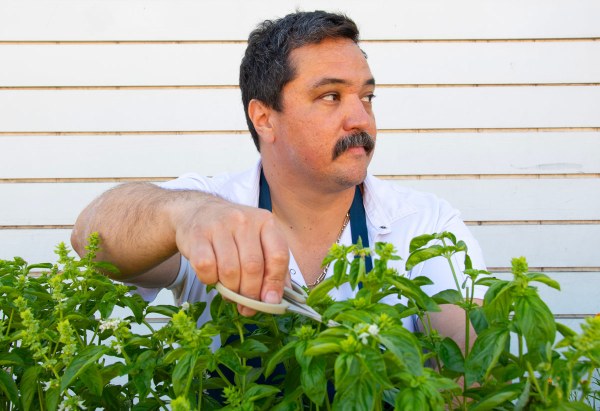
One notable practitioner of this trend is Chef Jason Stanhope, associated with Sullivan’s Fish Camp. Stanhope is utilizing herbs grown in raised beds located at the establishment. These on-site gardens provide a direct source for garnishes and flavor bases, ensuring peak freshness for the restaurant’s offerings.
The movement also highlights the growing expertise of culinary professionals in horticultural practices. Figures like Elaina Ruth, identified as a culinary expert and also a master gardener, exemplify this convergence of skills. Her dual expertise underscores the dedication required to successfully integrate ingredient cultivation into daily kitchen operations.
This in-house production trend offers several potential benefits, including enhanced ingredient quality, greater control over growing conditions, and a more intimate connection between the kitchen and the food served. While the specific scale and types of ingredients being cultivated vary, the underlying principle remains consistent: bringing the farm directly to the plate, within the restaurant’s own walls.
Story summarized from the original created by Becky Lacey on charlestoncitypaper.com, see more information here.
Media gallery