Charleston County Voters to Decide on Penny Sales Tax Referendums in 2026
Charleston County voters will consider three ballot questions in 2026 concerning penny sales taxes for roads, parks, schools, and public transportation. The Charleston City Paper article presents opposing viewpoints, with one perspective advocating for a "No" vote on all questions…

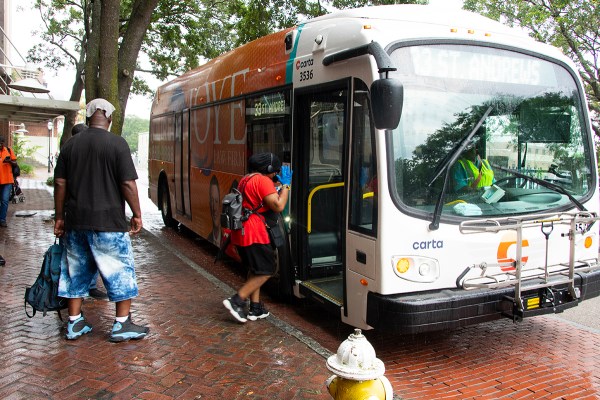
 Charleston, SC, November 2, 2026 — Charleston County voters are slated to face three distinct ballot questions in 2026, each proposing the extension of a penny sales tax. These referendums aim to secure funding for a range of public services including roads, parks, schools, and public transportation initiatives.
The upcoming votes represent a critical juncture for the county’s infrastructure and public amenities. According to reporting by the Charleston City Paper, the proposals will require voter approval to continue or establish funding streams that have supported various projects in the past.
However, the prospect of extending these taxes has generated divided opinions within the community. One viewpoint, highlighted in the Charleston City Paper’s analysis, advocates for a “No” vote on all three questions. Proponents of this stance have voiced concerns regarding the planning and execution of projects funded by previous sales tax allocations. Details regarding specific project planning issues or funding concerns were not provided in the summary.
Conversely, another perspective supports the continuation of these penny sales taxes. This side argues for the extension, implying a belief in the necessity and effectiveness of these funding mechanisms for ongoing and future public improvements. The specific benefits or projects championed by supporters of the tax extension were not detailed in the provided summary.
The three ballot questions are set to appear before Charleston County voters in 2026. The outcome of these referendums will have significant implications for the county’s budget allocations towards transportation infrastructure, recreational facilities, educational institutions, and public transit systems. Further details on the specific projects slated for funding under each question, the financial projections, and the precise nature of the planning concerns raised by opponents were not elaborated upon in the summary.
Story summarized from the original created by Guest author on charlestoncitypaper.com, see more information here.
Media gallery